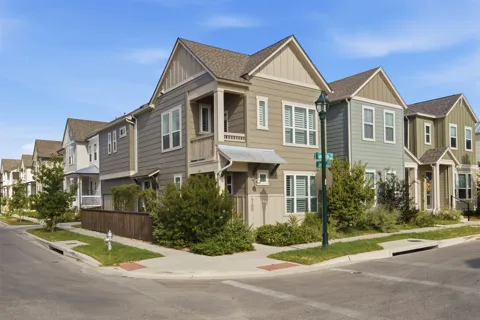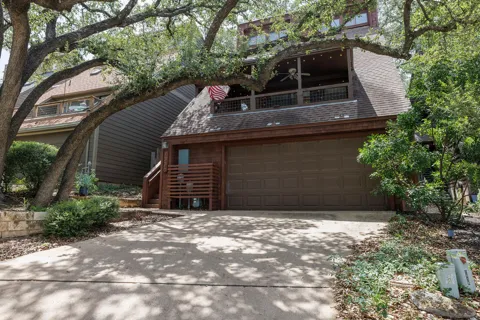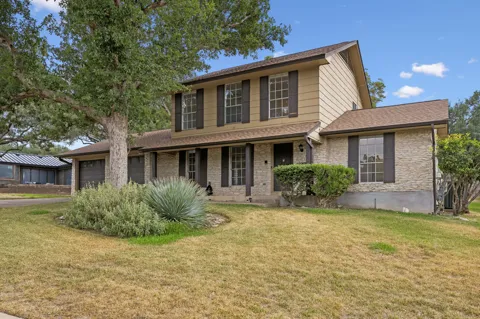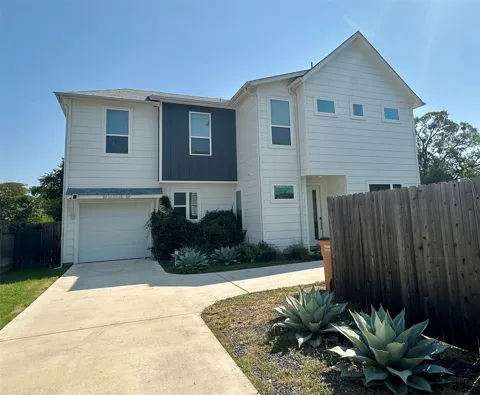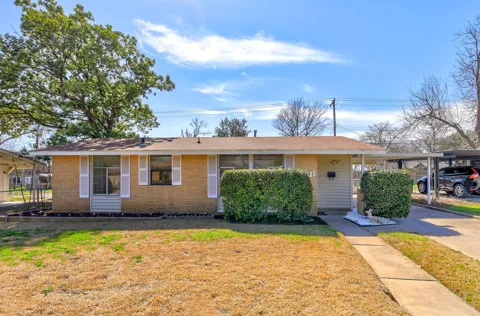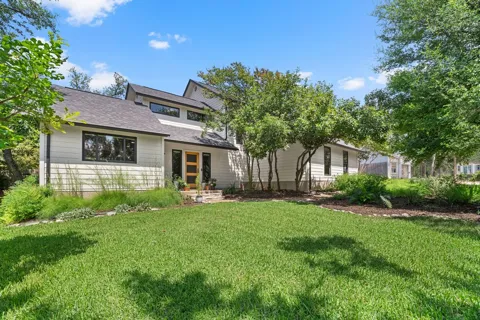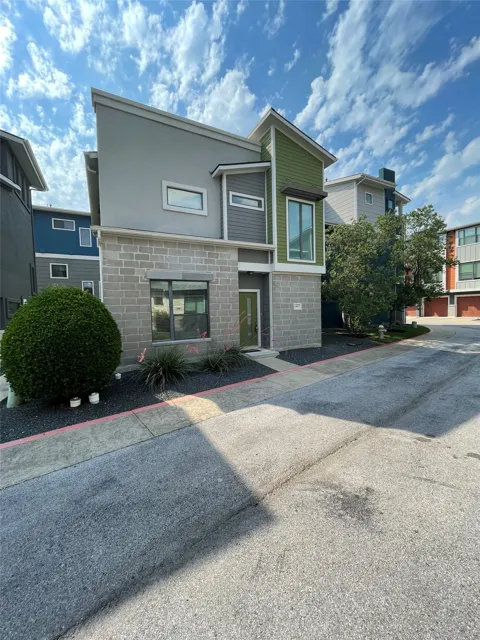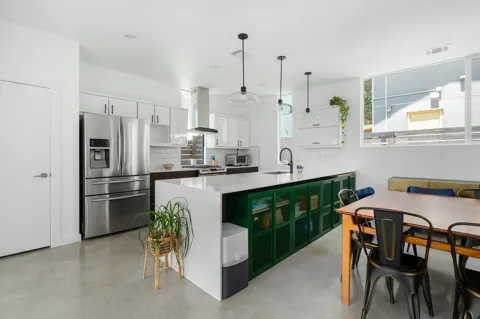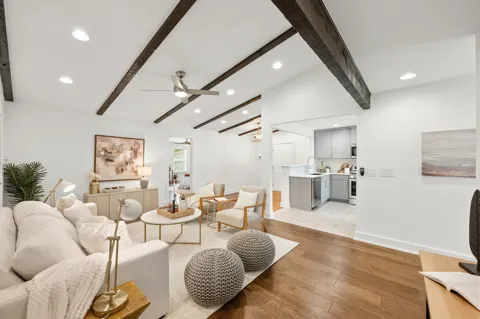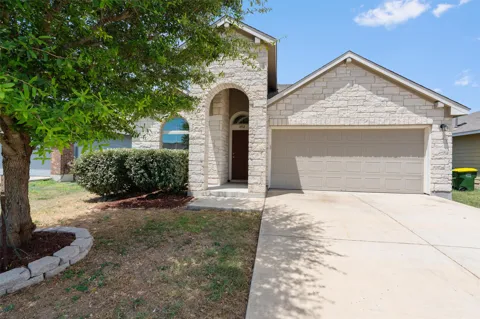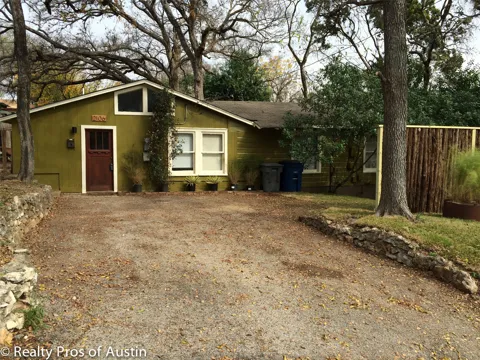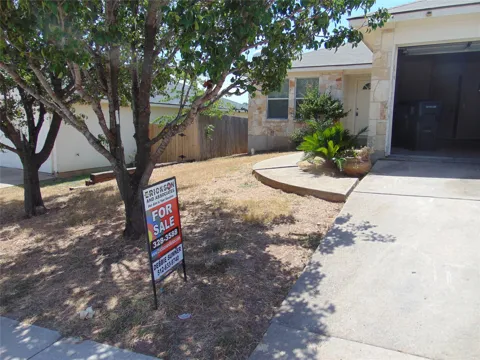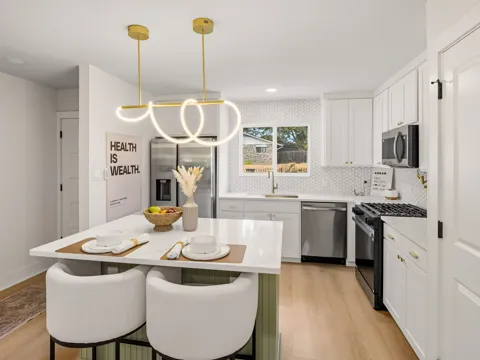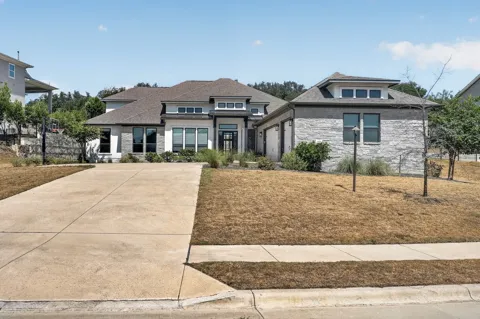
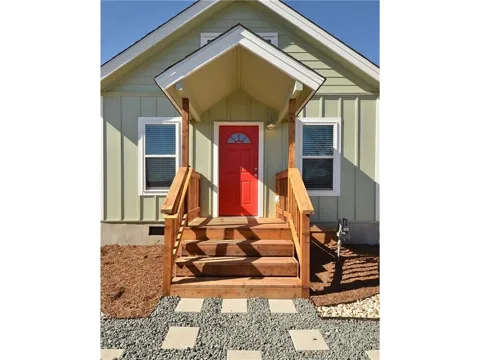
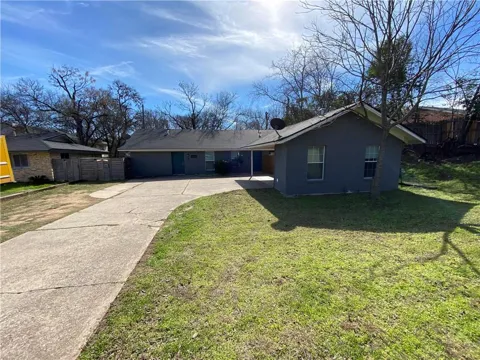
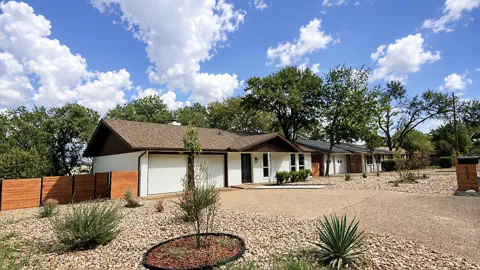

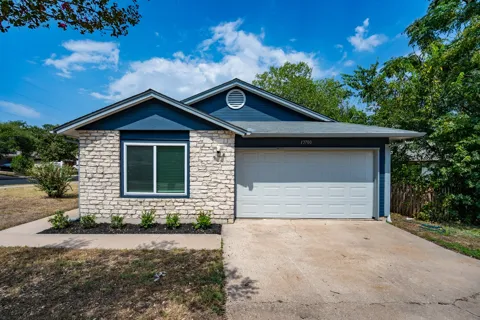
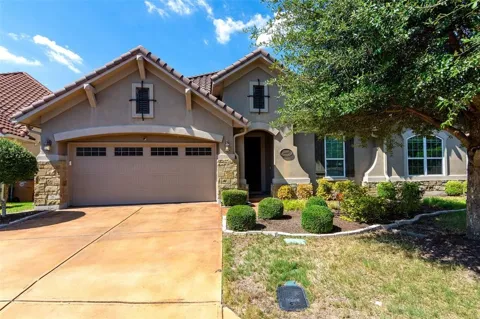
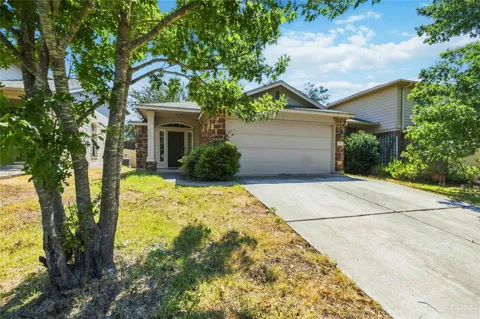
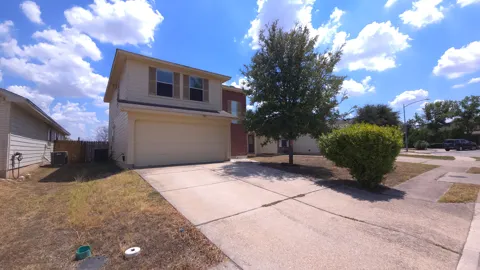
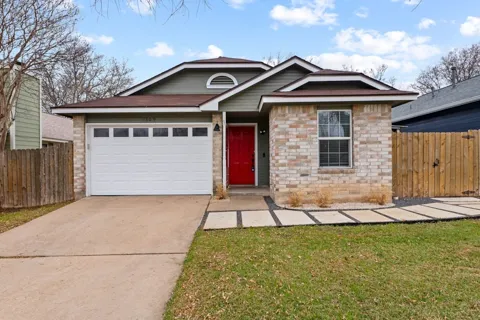
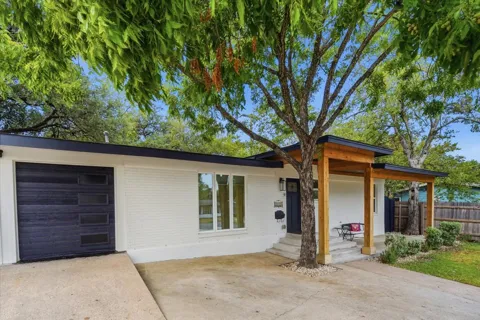
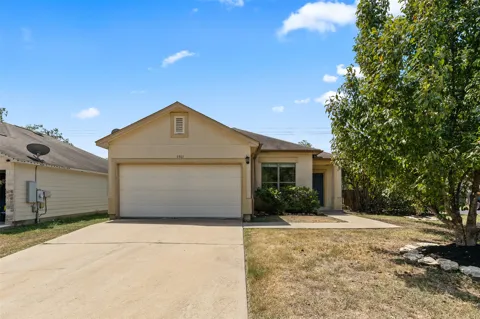
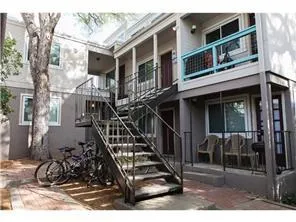
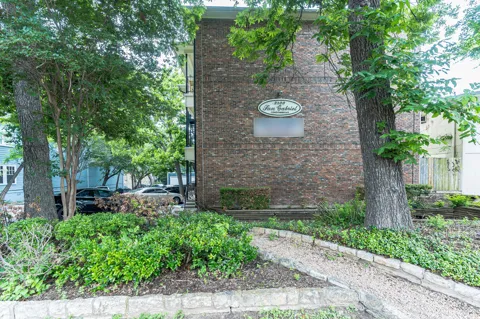
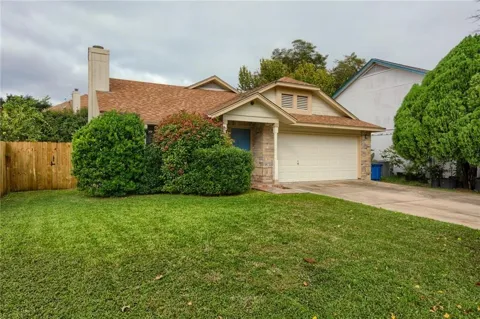
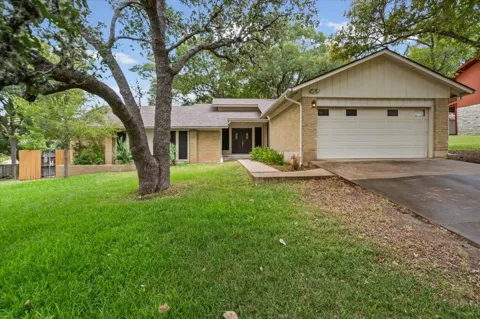
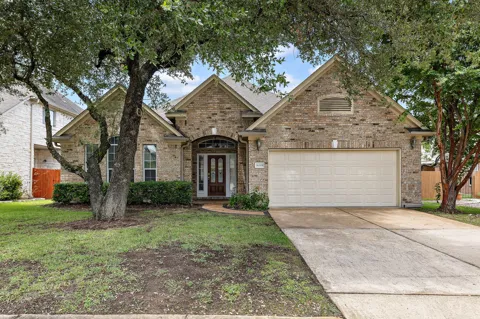
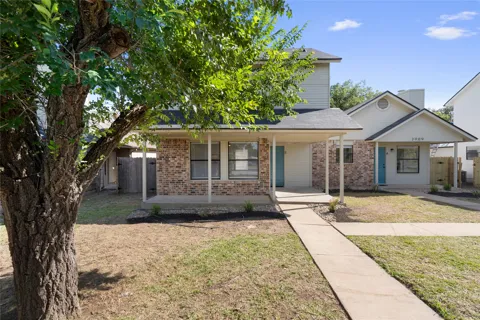
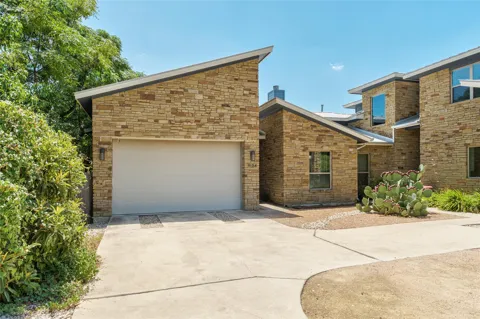
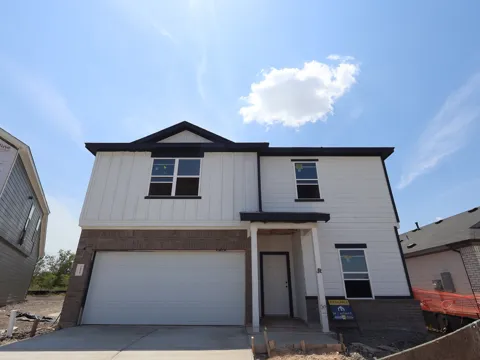
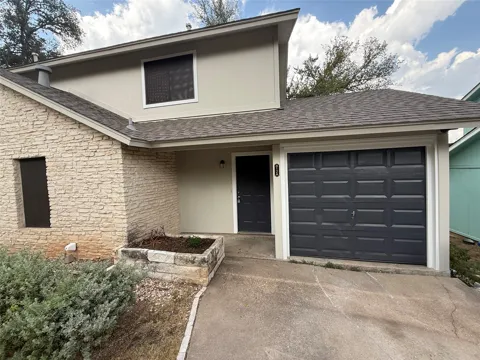
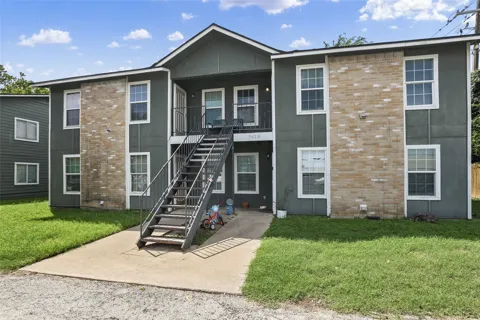
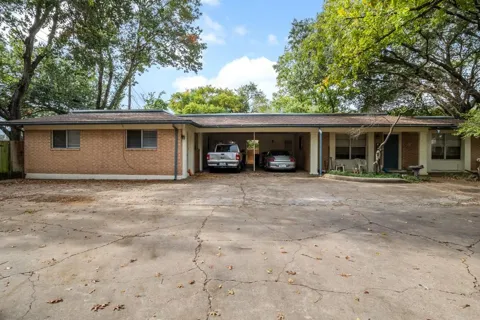
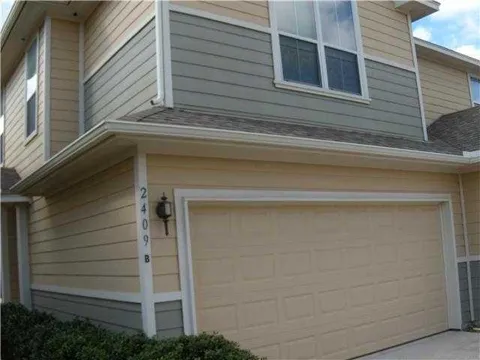
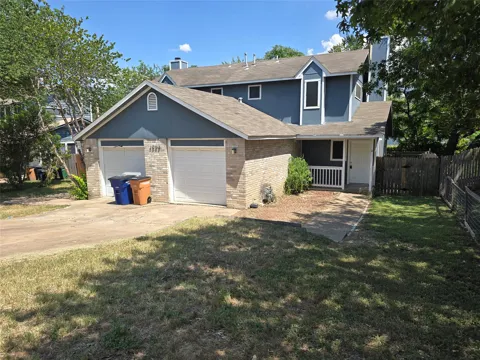
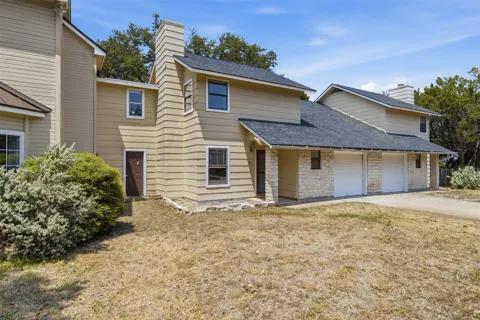
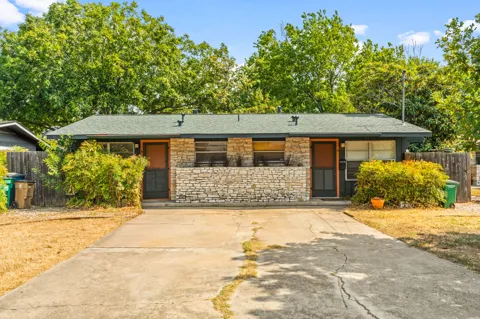
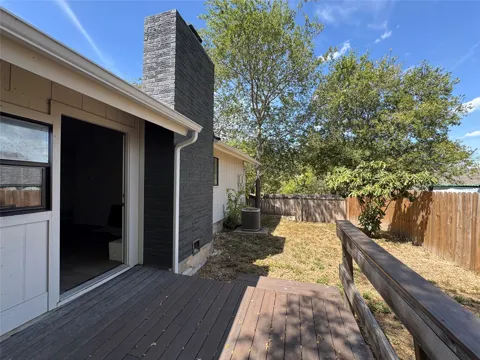
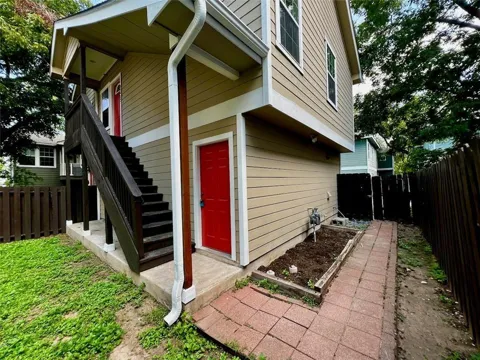
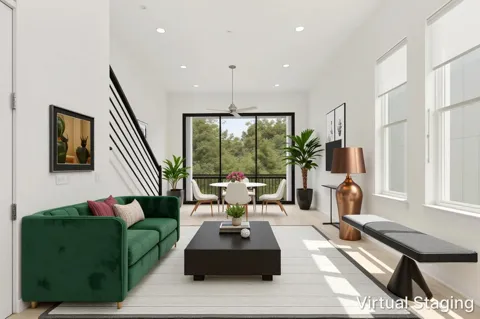
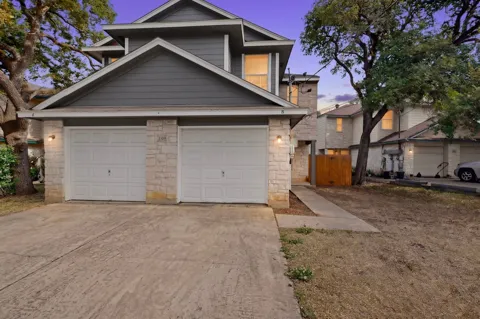
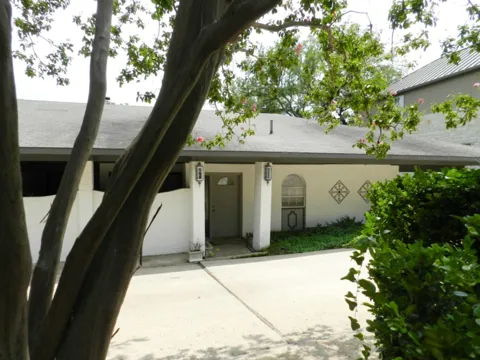
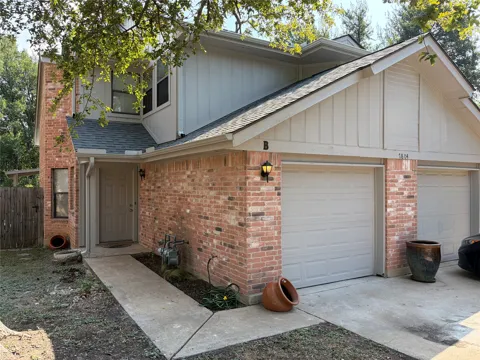
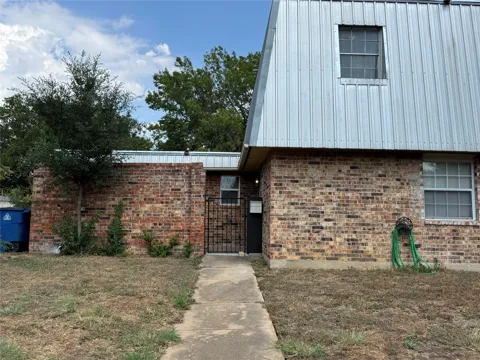
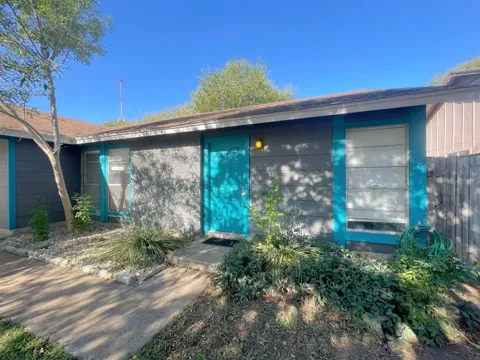
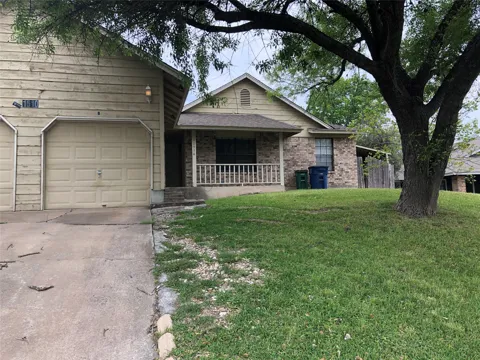
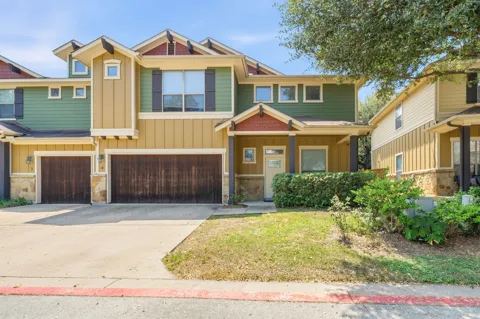
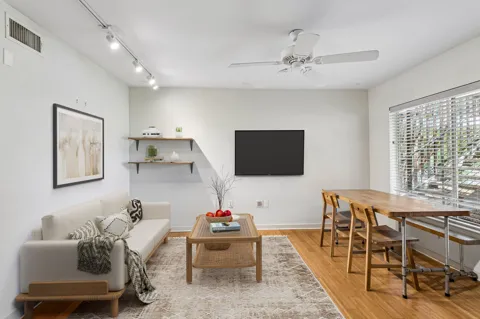
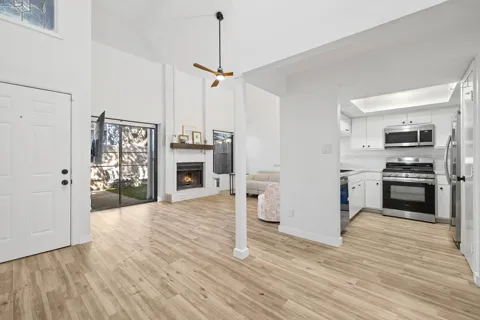
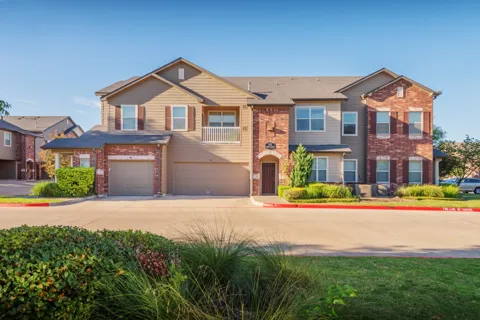
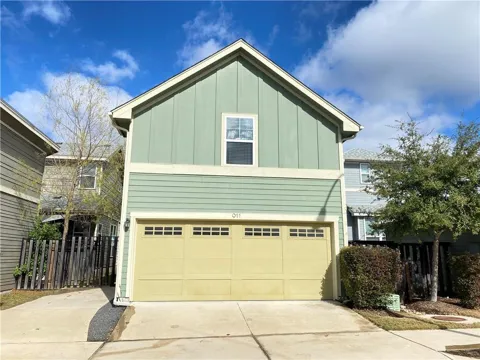
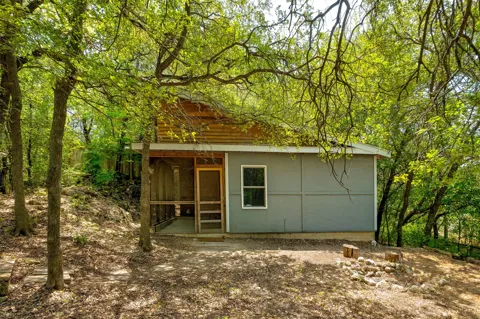
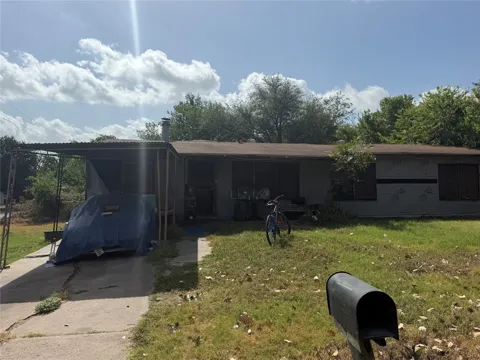
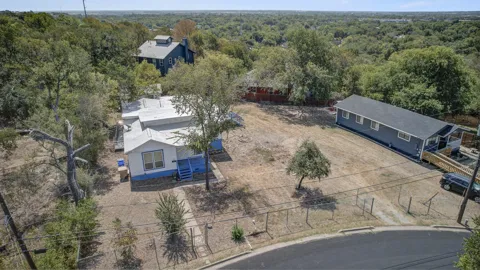
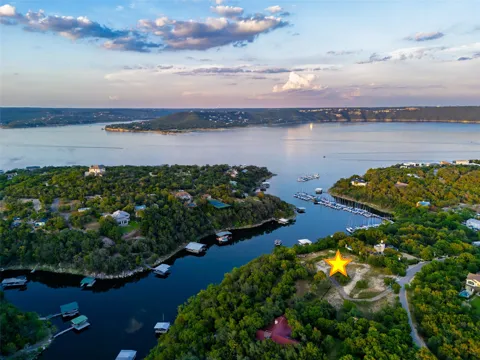
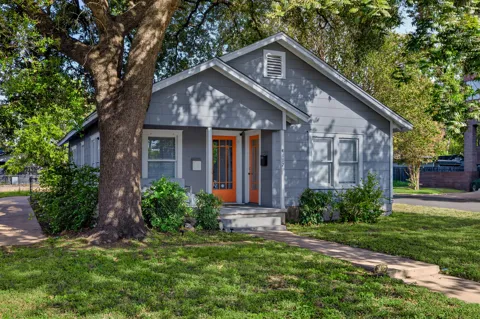
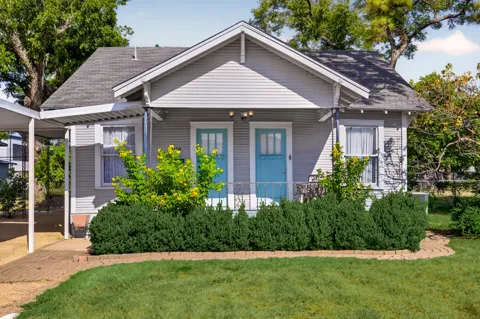
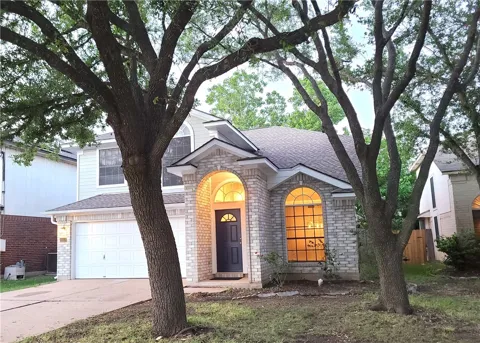
 For Rent
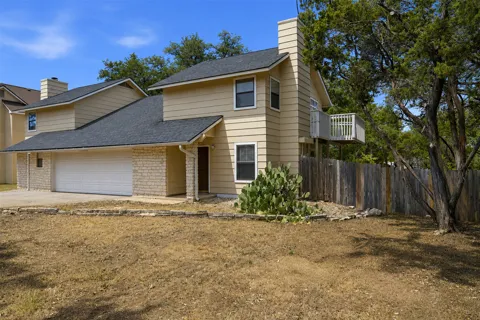
3512 Texas Topaz Drive
Austin, TX 78728
4 bd
3 ba
2160 sqft
1998
built
Texas Capital and Live Music Hub
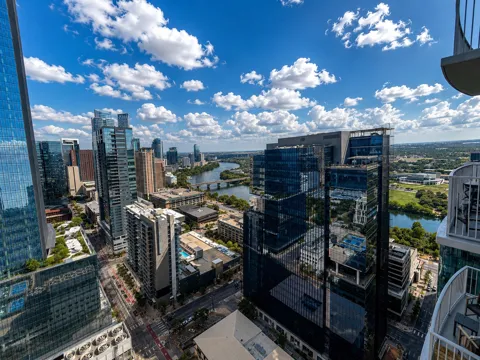
Welcome to Austin, the Texas state capital where live music, technology, and spring-fed swimming holes converge on the Hill Country's edge in Travis County.
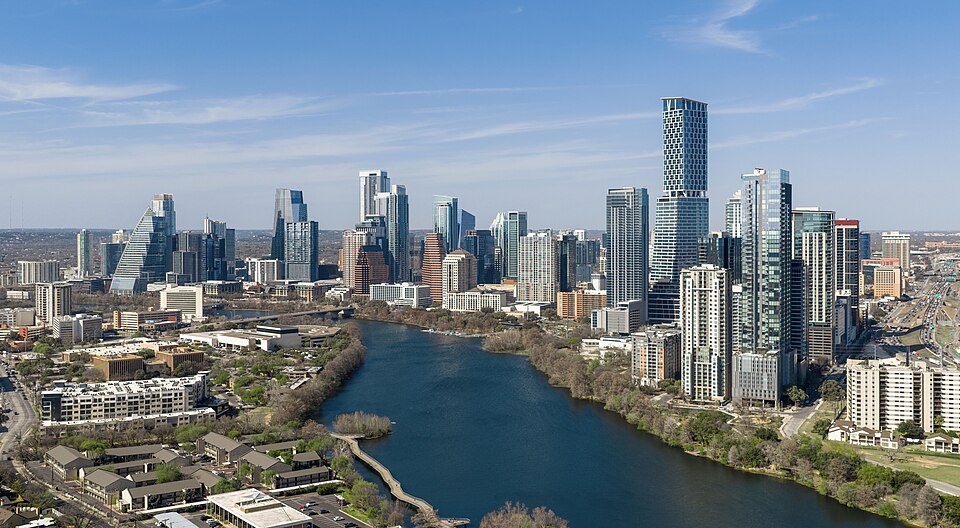
Austin is the capital of Texas and the county seat of Travis County, set in Central Texas where the Hill Country begins to roll west of the city. With about 960,000 residents as of the 2020 census, it is one of the largest cities in the state and anchors the Austin–Round Rock–San Marcos metropolitan area of more than 2.3 million people. The city grew up around the Colorado River and the Texas State Capitol, and it remains the seat of state government, with the University of Texas at Austin at the northern edge of downtown. Austin is best known as the Live Music Capital of the World, a reputation carried by venues on Sixth Street, in the Red River Cultural District, and on Rainey Street, and by festivals that draw national audiences. Over recent decades the city has also become a major technology center, with a broad base of employers that give its economy a distinctive mix of government, higher education, music, and technology. Neighborhoods reflect that layered identity. Central districts such as Hyde Park, a historic neighborhood of early twentieth-century homes between 38th and 45th streets, offer walkable, tree-lined streets, while South Congress (SoCo) lines a commercial corridor with shops and restaurants. East Austin has developed a strong creative and food scene, and downtown mixes high-rise living with the nightlife of Sixth Street. Suburban communities extend north and northwest toward Round Rock and Cedar Park. Outdoor life is central to Austin's character. Lady Bird Lake, a dammed section of the Colorado River, is closed to motorized boats and ringed by the Ann and Roy Butler Hike-and-Bike Trail, making it a hub for kayaking, paddleboarding, and cycling. Barton Springs Pool and the Barton Creek Greenbelt offer spring-fed swimming and trails, and Zilker Park anchors festivals and recreation. Interstate 35 and Loop 1 (MoPac) carry much of the city's traffic, CapMetro operates bus and commuter rail service, and Austin-Bergstrom International Airport serves the region.
Get more information about Austin
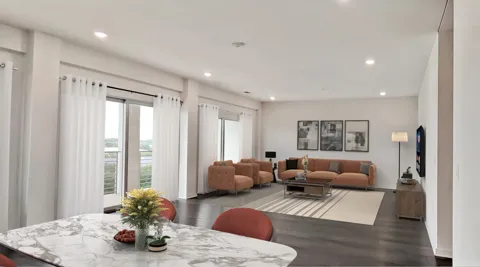
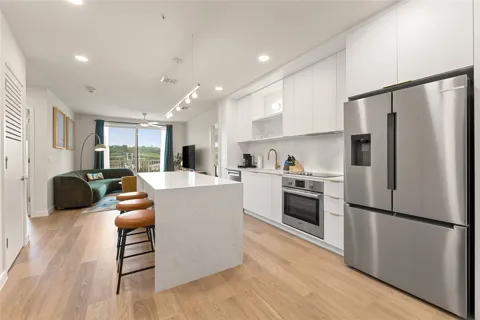
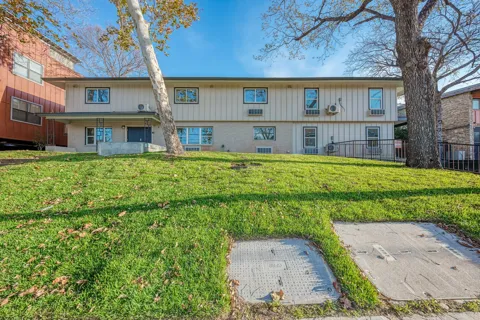
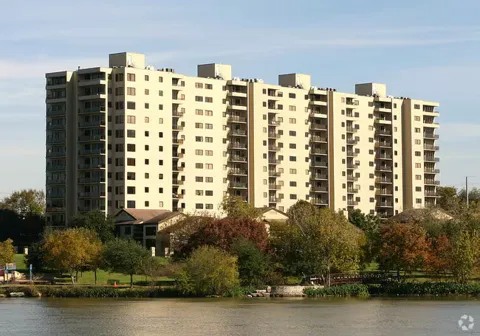
 4 photos
MARKET SNAPSHOT
How homes have been selling here over the last 90 days.
Market data reflects closed sales over the last 90 days and is provided for informational purposes.
EXPLORE COMMUNITIES
Browse the neighborhoods and subdivisions in this area.
BROWSE BY ZIP
Browse listings by postal code in this area.
City Guide
Austin's housing stock spans more than a century of styles. Central neighborhoods hold Craftsman bungalows, Colonial Revival and Tudor Revival houses, and early Victorian homes, while downtown features Art Deco and modern high-rises alongside newer mid-rise residential buildings. Mid-century ranch homes are common across the city's post-war subdivisions, and contemporary and modernist houses appear throughout the Hill Country edges and on infill lots. Hyde Park is known for its collection of early twentieth-century homes, and areas such as Bouldin Creek, Travis Heights, and Zilker mix older bungalows with newer construction. The variety means buyers can find walkable historic neighborhoods near the urban core or larger-lot suburban settings farther out, with the Hill Country influencing the landscape of many western communities.
Austin's neighborhoods range from dense urban districts to leafy historic enclaves. Hyde Park, a historic district in central Austin, is known for its early twentieth-century homes, walkability, and neighborhood cafes. South Congress (SoCo) runs south from the river as a shopping and dining corridor with a mix of bungalows and newer development. East Austin has grown into a center of restaurants, murals, and music venues, while Rainey Street blends converted bungalow bars with residential towers. Downtown and the areas around the University of Texas offer high-rise and mid-rise living close to employment and nightlife. To the west, Zilker and Barton Hills sit near parks and greenbelts, while neighborhoods such as Crestview, Allandale, and Rosedale in North Central Austin offer mid-century homes on generous lots. The Domain area to the north functions as a mixed-use employment and retail district.
Austin's identity as the Live Music Capital of the World shapes its day-to-day culture, with venues concentrated on Sixth Street, in the Red River Cultural District, and on Rainey Street, and live performances woven into restaurants, bars, and festivals throughout the city. The food scene is anchored by Texas barbecue and Tex-Mex and extends to fine dining and an active food-truck culture. Neighborhoods such as South Congress and East Austin concentrate independent shops, galleries, and murals, while the University of Texas adds a steady academic and sports presence. The lifestyle balances an outdoorsy, casual temperament with a tech-driven professional culture, and the annual calendar includes music, film, and food festivals anchored around Zilker Park and downtown.
Most of Austin falls within the Austin Independent School District, which serves roughly 73,000 students across more than 120 schools and offers magnet and specialized programs throughout the city. Because the metropolitan area has grown well beyond the district's boundaries, families in surrounding suburbs are served by other large systems such as Round Rock, Leander, and Eanes ISDs, and numerous charter and private schools operate across the region. The University of Texas at Austin is the area's flagship public university, anchoring higher education along with St. Edward's University, Huston-Tillotson University, and Austin Community College. School attendance zones and program offerings vary widely by neighborhood, making them an important factor for relocating families.
Austin's road network is shaped by Interstate 35, the main north-south corridor through the city, and U.S. 290, which carries east-west traffic, while Loop 1 (MoPac) serves as a parallel north-south route on the west side. CapMetro operates the region's bus system and a commuter rail line connecting downtown to Leander, with park-and-ride and express services to outlying areas. Austin-Bergstrom International Airport, located southeast of downtown, provides domestic and international service. Because Austin's growth has outpaced its highway capacity, commuting patterns vary by corridor, and many residents choose neighborhoods that reduce reliance on the most congested stretches of I-35 and MoPac. The city's central districts, including downtown and the University of Texas area, are among the most walkable and bike-friendly.
Austin's recreation is defined by water, greenbelts, and trails. Lady Bird Lake, a non-motorized stretch of the Colorado River in the heart of the city, is ringed by the Ann and Roy Butler Hike-and-Bike Trail and is popular for kayaking, canoeing, and stand-up paddleboarding. Barton Springs Pool, a spring-fed pool in Zilker Park, offers cool swimming year-round, while the Barton Creek Greenbelt provides hiking, climbing, and bouldering. Zilker Park itself is the city's best-known green space and the site of major festivals. The Congress Avenue Bridge is known for its bat colony, and the surrounding Hill Country adds lakes, rivers, and wineries within a short drive. Cycling, running, and triathlon are woven into the city's active culture.
About Austin
Austin is the county seat of Travis County in Central Texas. Travis County had a 2020 census population of about 1.29 million and is part of the larger Austin–Round Rock–San Marcos metropolitan area. The city itself had roughly 960,000 residents in the 2020 census.
Most of the city is served by the Austin Independent School District, which enrolls roughly 73,000 students across more than 120 schools. Surrounding suburbs are served by districts such as Round Rock, Leander, and Eanes ISDs, with many charter and private options across the region.
Austin is known as the Live Music Capital of the World, with venues on Sixth Street, in the Red River Cultural District, and on Rainey Street. It is also the Texas state capital and a major technology center, anchored by the University of Texas at Austin and outdoor attractions such as Lady Bird Lake and Barton Springs Pool.
Notable areas include Hyde Park (historic central bungalows), South Congress (shops and restaurants), East Austin (arts and food scene), Rainey Street (nightlife), Zilker and Barton Hills (near parks and greenbelts), and downtown near Sixth Street. North and northwest suburbs such as the Domain, Round Rock, and Cedar Park extend the metro area.
Interstate 35 is the main north-south route, with U.S. 290 for east-west travel and Loop 1 (MoPac) as a parallel western corridor. CapMetro runs the bus network and a commuter rail line to Leander, and Austin-Bergstrom International Airport provides air service southeast of downtown.
Residents swim at Barton Springs Pool, hike and climb the Barton Creek Greenbelt, and paddle or bike around Lady Bird Lake on the Ann and Roy Butler Hike-and-Bike Trail. Zilker Park hosts major festivals, and the Congress Avenue Bridge bat colony and nearby Hill Country lakes add to the outdoor offerings.
Still have questions about Austin?
Get in touchExplore the area